https://www.mining.com/hudbay-secures-p ... expansion/Hudbay secures permit for Copper Mountain expansion
Staff Writer | February 24, 2026 |
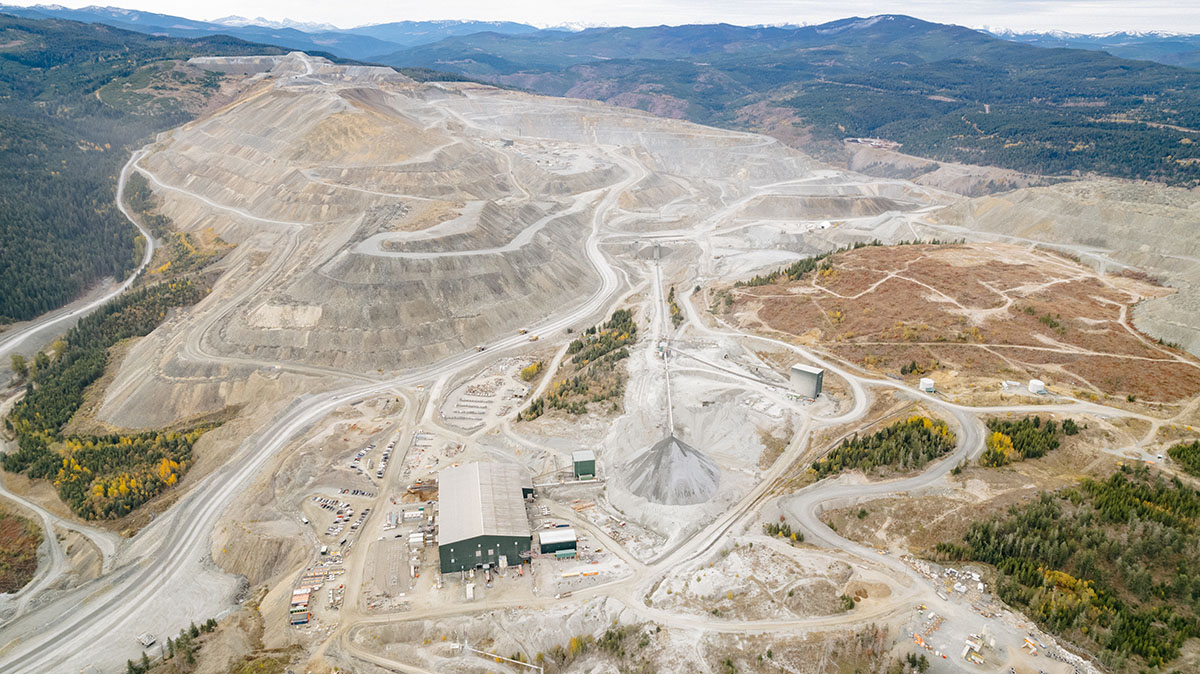
Copper Mountain is located approximately 20 kilometres south of Princeton, British Columbia. Credit: Hudbay
Hudbay Minerals (TSX, NYSE: HBM) has secured permission from the British Columbia government to proceed with a three-phased expansion of its Copper Mountain mine that would extend the operation into 2040.
In a statement issued on Feb. 20, Hudbay said it has secured amended environmental permits issued by the BC Major Mines Office for the New Ingerbelle expansion project at Copper Mountain, one of the largest copper producers in Canada. Currently, the open-pit mine located 20 km south of Princeton is expected to run until 2033.
.........................
Le Cuivre
Modérateurs : Rod, Modérateurs
-
energy_isere

- Modérateur

- Messages : 103954
- Inscription : 24 avr. 2005, 21:26
- Localisation : Les JO de 68, c'était la
- Contact :
Re: Le Cuivre
suite de ce post du 10 dec 2023 : http://www.oleocene.org/phpBB3/viewtopi ... 7#p2381487
-
energy_isere
- Modérateur
- Messages : 103954
- Inscription : 24 avr. 2005, 21:26
- Localisation : Les JO de 68, c'était la
- Contact :
Re: Le Cuivre
suite de ce post du 08 sept 2024 : http://www.oleocene.org/phpBB3/viewtopi ... 5#p2398235
https://www.mining.com/first-quantum-pe ... e-at-5-9b/First Quantum pegs Argentina copper mine’s value at $5.9B
Frédéric Tomesco | February 20, 2026 |
A new technical report on First Quantum Minerals’ (TSX: FM) Taca Taca copper-gold project in northwest Argentina shows the project’s value has more than doubled in five years thanks in part to higher reserves and commodity prices.
Assuming an 8% discount rate, a copper price of $4.50 per lb. and a gold price of $3,000 per oz., Taca Taca has an after-tax net present value of $5.92 billion and an after-tax internal rate of return of 19.3%, First Quantum said late Thursday in a statement. That compares with the $2.36 billion NPV and 15.3% IRR that a March 2021 study had calculated.
“We see Taca Taca as an attractive project for First Quantum,” BMO Capital Markets analyst Matthew Murphy said Friday in a note.
Taca Taca is one of several mining projects that Argentina is counting on to lift economic output and close the gap with neighbouring Chile, the world’s leading copper producer. It would also help First Quantum, which is working to overcome the closure of the Cobre Panama copper mine, its main asset, by the Panamanian government.
Developing Taca Taca as an open-pit mine with an initial processing capacity of 40 million tonnes a year would cost about $4.2 billion, First Quantum estimates. Expanding capacity to 60 million starting in the fifth year of operation would cost an additional $1 billion. First Quantum’s 2021 study didn’t provide construction cost estimates.
Increased reserves
Located in the Puna region of Argentina’s Salta province, Taca Taca sits at an elevation of 3,500 metres, about 230 km west of the city of Salta and 55 km east of the Chilean border. No local communities live within or close to the project’s footprint.
Updated proven and probable reserves of 1.99 billion tonnes grading 0.42% copper, 0.01% molybdenum and 0.09 gram gold per tonne support an open-pit mine life of 35 years, First Quantum said. Contained metal stands at 8.43 million tonnes of copper, 244,400 tonnes molybdenum and 5.53 million oz. gold.
This represents a 13% increase in combined proven and probable reserves, a 9% rise in in-situ copper metal and a 9% climb in in-situ gold metal compared with the 2021 technical report. Mineralization remains open at depth and locally along the deposit margins to the south and east, First Quantum says.
Annual output over the first 10 years is pegged at 291,000 tonnes of copper and 133,000 oz. of gold at cash costs of 97¢ per pound. Production over the mine’s life is projected at 209,000 tonnes of copper and 96,000 oz. gold at cash costs of $1.26 per pound.
First Quantum plans to apply for financing under Argentina’s large investment incentives program, known as RIGI, over the coming months. RIGI, a creation of populist conservative President Javier Milei, is aimed at mining and energy projects with investments of more than $200 million.
...........................
-
energy_isere
- Modérateur
- Messages : 103954
- Inscription : 24 avr. 2005, 21:26
- Localisation : Les JO de 68, c'était la
- Contact :
Re: Le Cuivre
suite de ce post du 15 mars 2025 : http://www.oleocene.org/phpBB3/viewtopi ... 2#p2408312
https://www.agenceecofin.com/actualites ... u-botswanaCuivre : MMG prévoit 400 millions $ en 2026 pour agrandir sa mine au Botswana
Agence Ecofin 06 mars 2026
Dans un contexte de hausse des prix et de boom anticipé de la demande mondiale de cuivre, les compagnies minières multiplient les investissements pour se positionner. Au Botswana, le groupe chinois MMG s’inscrit dans cette dynamique avec l’agrandissement de sa mine Khoemacau.
Au Botswana, la société minière chinoise MMG Limited a annoncé mardi 3 mars son intention d’investir 400 millions de dollars dans le projet d’agrandissement de sa mine de cuivre Khoemacau en 2026. L’objectif est de tripler le niveau de production actuel du site, afin d’atteindre 130 000 tonnes de concentré par an d’ici 2028.
Rachetée par MMG en 2023, Khoemacau constitue actuellement l’autre source de production industrielle de cuivre du Botswana, aux côtés de la mine Motheo de Sandfire Resources. Alors que sa production reste encore relativement modeste, avec 42 120 tonnes de cuivre extraites l’an dernier. La société a lancé début février le projet d’agrandissement dont le coût total est estimé à 900 millions de dollars. Le budget prévu pour 2026 doit permettre de faire progresser les travaux au cours des prochains mois.
Concrètement, pour atteindre le cap des 130 000 tonnes de cuivre, MMG prévoit notamment la construction d’une nouvelle usine destinée à doubler la capacité de traitement de la mine. Le programme inclut aussi des travaux destinés à étendre les opérations de Khoemacau à de nouveaux gisements tels que Mango et Zeta Nord-Est.
Selon MMG, ce projet constitue une « initiative stratégique visant à renforcer la rentabilité et l’envergure à long terme » de son portefeuille d’actifs cuprifères. Cette ambition s’inscrit dans un contexte favorable de hausse des prix du cuivre et d’anticipations de forte croissance de la demande, portée notamment par la transition énergétique et l’essor de l’IA. Côté botswanais, la mise en œuvre de ce projet débloque de nouveaux investissements pour l’industrie cuprifère en pleine émergence et la diversification de l’économie nationale, encore dépendante des diamants.
Comme pour tout projet minier, le succès dépendra de la capacité de MMG à mener le chantier à terme tout en respectant le calendrier annoncé. En parallèle, la société devrait poursuivre l’exploitation avec l’objectif de produire jusqu’à 53 000 tonnes de cuivre pour l’exercice en cours.
-
energy_isere
- Modérateur
- Messages : 103954
- Inscription : 24 avr. 2005, 21:26
- Localisation : Les JO de 68, c'était la
- Contact :
Re: Le Cuivre
suite de ce post du 22 février 2026 : http://www.oleocene.org/phpBB3/viewtopi ... 1#p2421901
https://www.mining.com/tasekos-florence ... -17-years/Taseko’s Florence mine delivers first new US copper in 17 years
Cecilia Jamasmie | March 2, 2026
Canada’s Taseko Mines has harvested its first copper cathodes at the newly built Florence Copper operation in Arizona, marking the first new copper production from a greenfield project in the US since 2008.
The company said the cathodes were produced following the late-February start-up of Florence’s electrowinning plant, which began commercial operations and copper output.
The milestone positions Taseko to become the third-largest copper cathode producer in the US once the operation reaches its nameplate capacity of 85 million pounds of LME Grade A copper per year.
Florence is expected to produce at least 1.5 billion pounds of copper over a 22-year mine life. Taseko said all metal produced at the site will remain in the US, supporting domestic manufacturing and reducing reliance on imports.
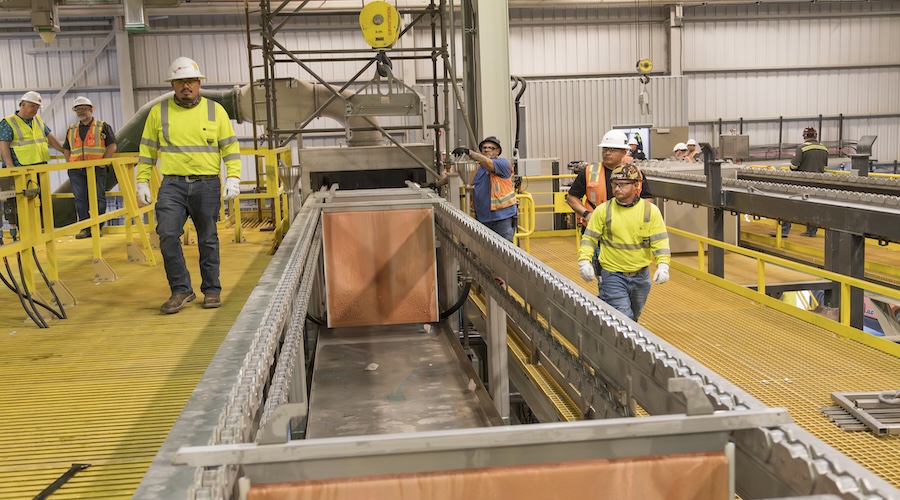
February 2026, Preparing to harvest first copper cathode in SXEW tankhouse. (Image provided by Taseko Mines.)
Chief executive Stuart McDonald called the first harvest a landmark for both the Florence team and the company’s broader growth strategy in North America. “Producing LME Grade A copper cathode for America’s manufacturing sector, including automotive, semiconductor, defense/aerospace and AI data centers, will meaningfully strengthen US manufacturing and supply chain security,” McDonald said.
Step forward
US copper production has remained largely flat in recent years, even as demand accelerates. Benchmark Mineral Intelligence recently found the US can meet 146% of its domestic copper demand through a combination of mine output and scrap, compared with just 40% for China, the world’s largest consumer. Yet nearly 48% of US mined copper concentrate is exported, largely because of limited domestic smelting and refining capacity.
Taseko said Florence represents a step forward for the country’s critical minerals strategy as it is also the first greenfield site globally to use in-situ copper recovery, or ISCR. This is a lower-cost method that the company says offers environmental advantages over conventional mining.
The company said the project advances its goal of becoming a leading North America-focused copper producer.
-
energy_isere
- Modérateur
- Messages : 103954
- Inscription : 24 avr. 2005, 21:26
- Localisation : Les JO de 68, c'était la
- Contact :
Re: Le Cuivre
suite de ce post du 14 aout 2024 : http://www.oleocene.org/phpBB3/viewtopi ... 9#p2396459
https://www.mining.com/hudbay-minerals- ... n-1b-deal/Hudbay Minerals to buy Arizona Sonoran in $1B deal
Cecilia Jamasmie | March 2, 2026
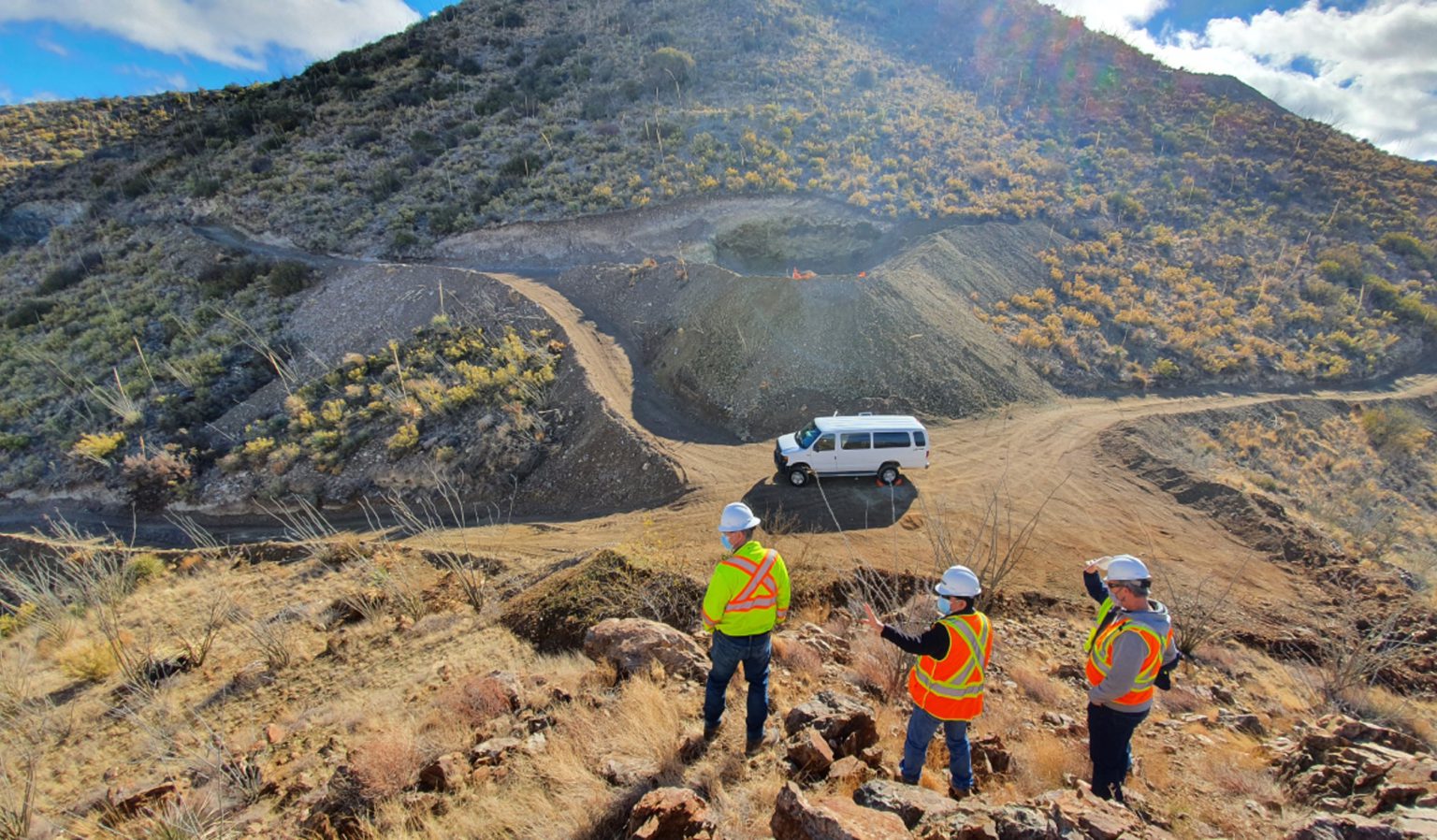
The Copper World project in southern Arizona. (Image courtesy of Hudbay Minerals.)
Hudbay Minerals said on Monday it will acquire Arizona Sonoran Copper Company in an all-share deal valued at about C$1.48 billion ($1 billion), creating what the companies say will be the third-largest copper district in North America.
The Canadian miner will issue 0.242 of a common share for each Arizona Sonoran (ASCU) share it does not already own, valuing it at C$9.35 per share based on Hudbay’s Feb. 27, 2026 closing price. The offer represents a 30% premium to ASCU’s closing price that day and a 36% premium to its 20-day volume-weighted average price. Hudbay, which already owns about 9.99% of ASCU’s outstanding shares, said the enterprise value of the transaction, net of its existing stake, is approximately $1.28 billion.
The acquisition will give Hudbay full ownership of the Cactus copper project in Arizona and expand its US growth pipeline alongside its Copper World project. After closing, existing Hudbay shareholders will own about 89% of the combined company, with former ASCU shareholders holding roughly 11%.
Chief executive Peter Kukielski said the deal strengthens Hudbay’s position as a US-focused copper growth platform. He described Cactus as a large-scale development asset in a familiar mining jurisdiction and said the combined projects would form a major copper hub in Arizona while preserving financial flexibility.
Arizona Sonoran chief executive George Ogilvie said the transaction delivers immediate value and allows shareholders to retain exposure to Cactus through Hudbay shares. He added that Hudbay’s balance sheet and Arizona operating experience should reduce development and financing risk.
Strategic rationale
Hudbay said advancing Copper World and Cactus together could also create the second-largest US copper cathode district. Copper World is expected to produce 92,000 tonnes of copper annually by 2030, while Cactus could add a further 103,000 tonnes a year once developed.
......................
In a project comparison, Jefferies noted that Cactus hosts proven and probable reserves of 5.3 billion lb. of copper, or 465 million tonnes grading 0.52% copper, and is expected to produce 103,000 tonnes annually over a 20-year mine life at cash costs of $1.34 per lb.
-
energy_isere
- Modérateur
- Messages : 103954
- Inscription : 24 avr. 2005, 21:26
- Localisation : Les JO de 68, c'était la
- Contact :
Re: Le Cuivre
https://www.agenceecofin.com/actualites ... -le-cuivreWashington à l’affût : la Zambie mise sur davantage d’investissements dans le cuivre
Agence Ecofin 11 mars 2026
Malgré une progression de 8 % en glissement annuel, la Zambie a manqué son objectif d’atteindre le cap du million de tonnes de cuivre en 2025. Ce résultat traduit un certain retard dans les plans à moyen terme du pays, qui veut plus que tripler sa production cuprifère d’ici la prochaine décennie.
Deuxième producteur de cuivre en Afrique, la Zambie négocie actuellement avec des partenaires internationaux, dont les États‑Unis, pour attirer de nouveaux investissements dans la filière. Ces efforts rapportés par la presse internationale le mardi 10 mars, citant le ministre des Mines Paul Kabuswe, visent à soutenir l’objectif de porter la production nationale de cuivre à 3 millions de tonnes d’ici 2031, contre 890 300 tonnes en 2025.
Des partenariats « gagnant-gagnant » attendus
Dans le détail, M. Kabuswe explique que les discussions en cours visent à déboucher sur des partenariats équilibrés entre la Zambie et les investisseurs étrangers. Selon lui, ces derniers doivent prendre une part active dans le développement du secteur, afin de garantir une « situation gagnant-gagnant » pour toutes les parties. L’initiative s’étendrait à plusieurs pays, mais l’état d’avancement des pourparlers engagés reste à préciser.
La mention explicite des États-Unis n’est toutefois pas anodine, dans un contexte où Washington intensifie ses initiatives pour sécuriser l’accès aux minéraux stratégiques en Afrique. Cette stratégie englobe déjà le cuivre, comme l’illustre l’accord conclu en février par le consortium soutenu par des financements américains, Orion Resource Partners, pour l’acquisition de 40 % d’intérêts dans deux mines de cuivre-cobalt du groupe Glencore en République démocratique du Congo.
En attendant davantage de détails sur les négociations en cours, il convient de noter que des intérêts américains sont déjà présents dans le secteur cuprifère zambien. La start-up californienne KoBold Metals développe en effet dans le pays le projet de cuivre Mingomba, présenté comme une future grande mine. Le lancement de la phase de construction n’a toutefois pas encore été annoncé, la décision finale d’investissement (FID) étant toujours attendue.
Soutenir la dynamique déjà engagée
La sécurisation de nouveaux investissements à travers les partenariats explorés pourrait s’avérer déterminante pour l’industrie cuprifère de la Zambie. Surtout au regard de la dynamique déjà engagée par plusieurs projets phares en cours. Opérateur de la mine Konkola, Vedanta Resources a par exemple annoncé un budget de 1,5 milliard USD pour en accroître la production d’ici 2031. Même dynamique chez Barrick Mining, engagé dans un chantier d’agrandissement de 2 milliards USD sur sa mine Lumwana, tandis que le groupe chinois JCHX prévoit des investissements pour optimiser ses opérations.
Pris ensemble, ces projets constituent des jalons importants pour Lusaka, qui mise notamment sur le renforcement des capacités de production des mines existantes pour atteindre ses ambitions. Cette approche est également soutenue par un récent rapport du cabinet PwC, qui souligne toutefois que l’atteinte de l’objectif national nécessitera aussi de nouveaux capitaux dans l’exploration et le développement de nouvelles mines.
« Pour atteindre les 3 millions de tonnes, il faudra des apports de capitaux soutenus dans les domaines de l’exploration, du développement minier, du traitement et des infrastructures de soutien », indique PwC. Au-delà de son potentiel géologique, la Zambie dispose aussi de l’avantage de figurer parmi les juridictions minières les plus attractives du continent, se classant 3ème en Afrique en 2025 selon le Fraser Institute.
Toutefois, avec le contexte électoral qui plane cette année, l’enjeu pour la Zambie réside dans sa capacité à maintenir cette dynamique et préserver un climat des affaires propice. Sur un marché du cuivre déjà sous tension, marqué par un déficit d’approvisionnement mondial annoncé sous l’effet de la transition énergétique et de l’essor de l’IA, la course au métal rouge peut d’autant plus être porteuse de nouvelles opportunités.
-
energy_isere
- Modérateur
- Messages : 103954
- Inscription : 24 avr. 2005, 21:26
- Localisation : Les JO de 68, c'était la
- Contact :
Re: Le Cuivre
Un prospect de cuivre au Pérou à transformer en mine avec un investissement de 3.4 milliards de $ :
https://www.mining.com/web/peru-approve ... r-project/Peru approves environmental study for $3.4B Buenaventura copper project
Reuters | March 11, 2026
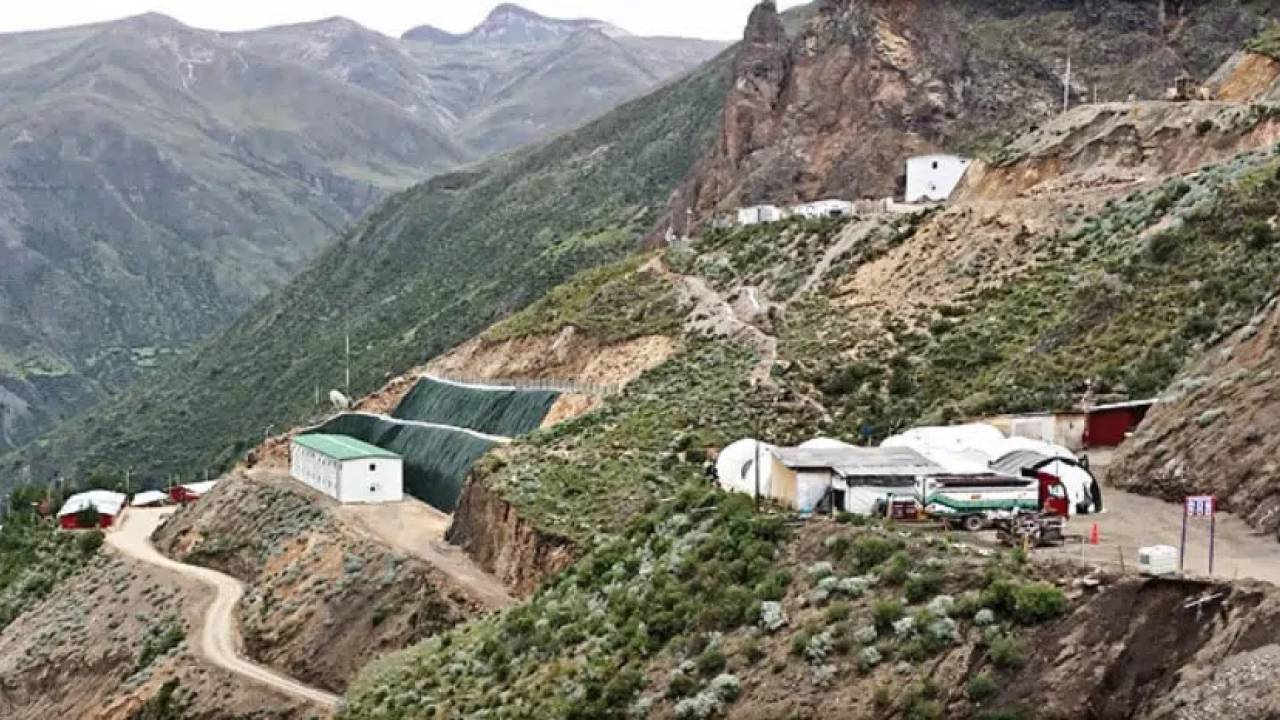
Peru on Wednesday approved an environmental study for Buenaventura, one of Peru’s largest mining firms, to proceed with its southern Trapiche copper project with an estimated investment of $3.4 billion, the Andean nation’s state certification office said.
The environmental certification office SENACE said the evaluation of the detailed environmental impact study “guarantees the development of activities under high sustainability standards” in Peru’s Apurimac region.
SENACE noted that while the study’s approval is an essential step, it does not in itself authorize the miner to begin operations.
Peru is the world’s third-largest copper producer. Regulators in the South American country require other permits including a construction license before miners can begin extracting ore.
Executives at Buenaventura, which owns several gold and silver mines across the country, have said Trapiche should become one of the company’s most important copper projects when it becomes operational after 2030.
Buenaventura also owns close to 20% of Cerro Verde, one of Peru’s largest copper deposits. The mine there is run by US-based miner Freeport McMoRan.
-
energy_isere
- Modérateur
- Messages : 103954
- Inscription : 24 avr. 2005, 21:26
- Localisation : Les JO de 68, c'était la
- Contact :
Re: Le Cuivre
https://www.mining.com/web/argentine-pr ... s-by-2035/Argentine province eyes copper boom with up to $20 billion in exports by 2035
Reuters | March 18, 2026
Argentina’s San Juan mining province aims to become a major copper exporter by 2035, the province’s production minister told Reuters, projecting that the province’s annual copper exports could reach a value of between $15 billion and $20 billion by that year.
Situated in the Andes Mountains near Argentina’s border with Chile, San Juan does not currently produce copper, but is home to four significant copper projects: Vicuña (a joint venture between BHP and Lundin Mining), Los Azules (McEwen Copper), El Pachón (Glencore), and Altar (Aldebaran Resources).
Vicuña and Los Azules have received environmental approval and are expected to begin production around 2030.
Gustavo Gonzalez, San Juan’s production minister, said the province accounts for 80% of Argentina’s potential copper supply over the next decade, representing $32 billion in investments across these four projects.
He added the province aims to produce 1.2 million tons of copper annually by 2035, leading to the projected export figures.
“In terms of exports, we are talking about between $15 billion and $20 billion (annually),” Gonzalez said, speaking to Reuters at the IEFA Latam Forum in Buenos Aires on Tuesday.
Argentina has not produced copper since 2018, but it boasts a number of world-class projects. In 2025, the country’s total mining exports reached $6.04 billion, driven by rising gold prices and new lithium projects.
Vicuña alone plans to invest $18 billion in its copper, gold, and silver ventures, the miner said in February. This is expected to yield approximately 395,000 tons of copper, 711,000 ounces of gold, and 22.2 million ounces of silver annually for the first 25 years.
Gonzalez said San Juan’s total exports were about $2.2 billion, with mining contributing $1.7 billion, primarily from gold and lime. He also highlighted the potential impact on employment, suggesting the four copper projects could nearly double the province’s formal workforce in 10 years, adding 70,000 jobs to the current 84,000.
However, challenges remain, particularly concerning infrastructure such as road and energy networks, which the mining projects are addressing. The provincial government will be responsible for housing needs, Gonzalez said.